
Carbon Offsets

Help Guide our Offset Work
What is a Carbon Offset?
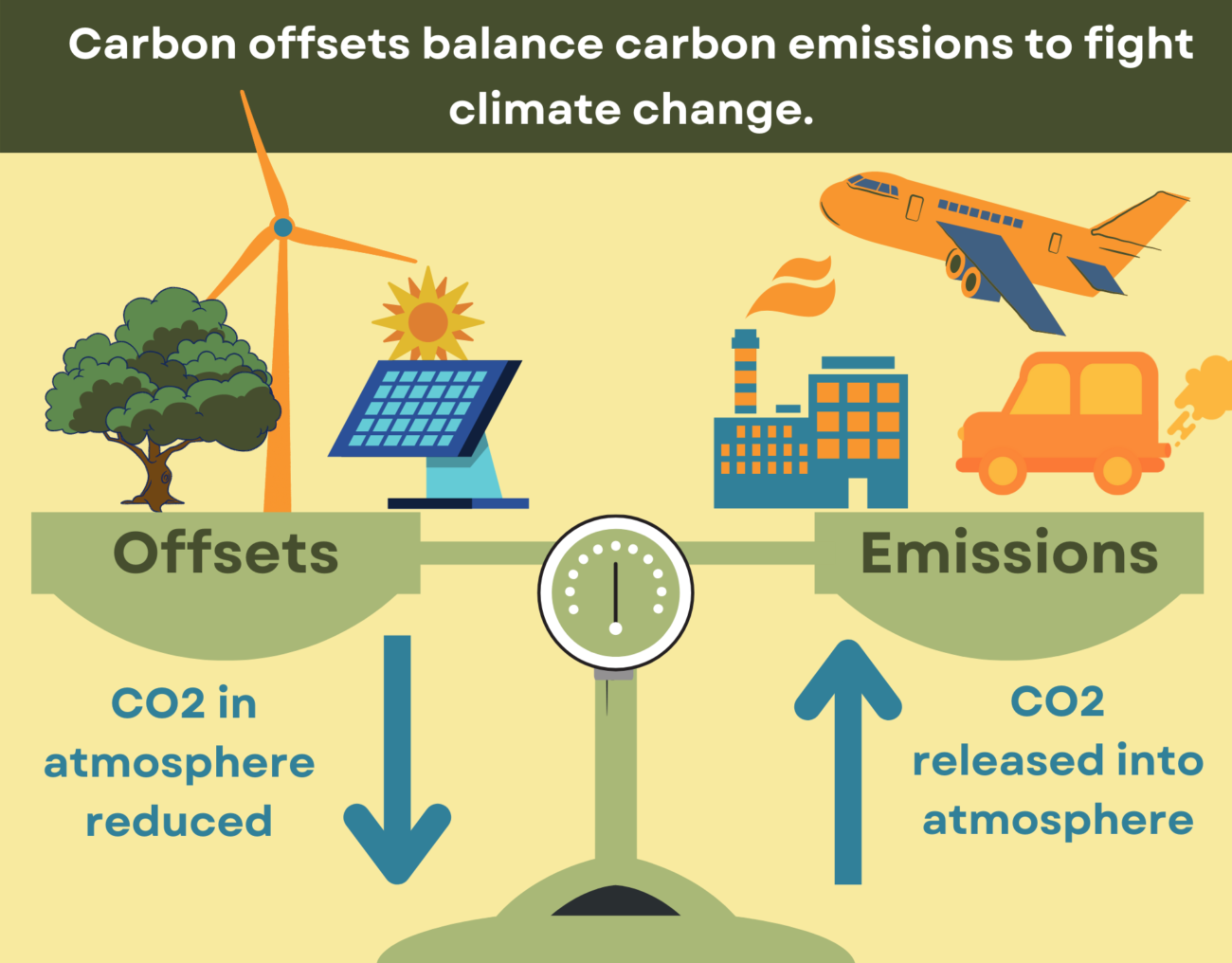
Carbon offsets or carbon offsetting refers to the action of funding projects that remove greenhouse gases from the atmosphere (removal projects) or reduce future emissions (avoidance projects). Carbon offset projects give rise to carbon credits.
Why is the City Pursuing Carbon Offsets?
Carbon offsets offer a practical way to balance emissions that have not yet been eliminated with emissions reductions in other locations. Carbon offsets do not replace the need to reduce emissions here in Ann Arbor, but provide immediate global greenhouse gas emission reductions while also giving the city time to continue work to reduce local emissions.
Do Carbon Offsets Replace Local Emission Reduction Efforts?
No! Carbon offsets help reduce global greenhouse gas emissions immediately while the city continues to implement and develop new strategies to lower local greenhouse gas emissions. Since it is not possible to eliminate all emissions from Ann Arbor immediately, carbon offsets provide a practical way to take responsibility for our impact while supporting climate solutions in another location, providing immediate climate benefits.
How Does Carbon Offsetting Work?
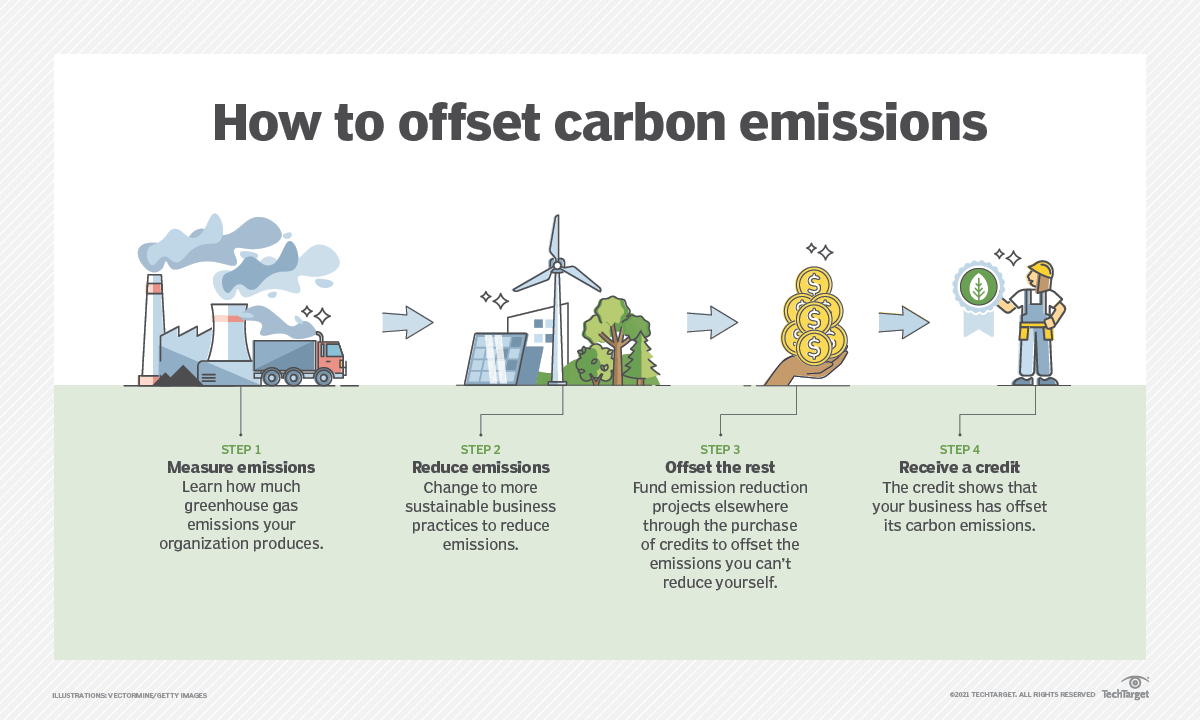
Broadly, there are 5 steps in carbon offsetting:
- An entity calculates its carbon footprint (you can see the City’s annual greenhouse gas emissions on our dashboard)
- The entity then buys carbon offsets from a reputable provider.
- Carbon offsets fund projects that avoid or capture greenhouse gas emissions.
- The impact of a project is verified, often by third party sources.
- Carbon credits are retired.
Help Shape the City’s Carbon Offset Work!
The City is currently undertaking a public engagement process to determine what types of offsets, if any, it will pursue. And we want YOUR thoughts! Please check out our Engage Ann Arbor Page to learn more about and provide feedback into the City’s offset work.