Sustainable Food Programs

On this page:
- What is Sustainable Food?
- Tips for Sustainable Eating
- City of Ann Arbor Sustainable Food Programs
- Cooking Sustainably at Home
- Resources for Growing Your Own Food
Welcome!
What we eat matters. The food we put on our plates each day affects the wellbeing of our climate and environment, our bodies, and our communities. Food has the power to nourish us and bring us together, however the current way that food is produced, packaged, transported, distributed, purchased, consumed, and disposed of comes at a major cost to our planet and communities.
As consumers, we have the power to make a difference by making informed choices about the foods we consume. The resources below are designed to help you understand what sustainable food is, why it matters, and how you can find sustainable foods in your community.
What is sustainable food?
The Ann Arbor Office of Sustainability & Innovations defines "sustainable food" as food that:

Minimizes impacts on the climate & environment

Enhances community health & nutrition

Supports a valued workforce

Builds a strong & resilient local economy

Promotes a more just & equitable society
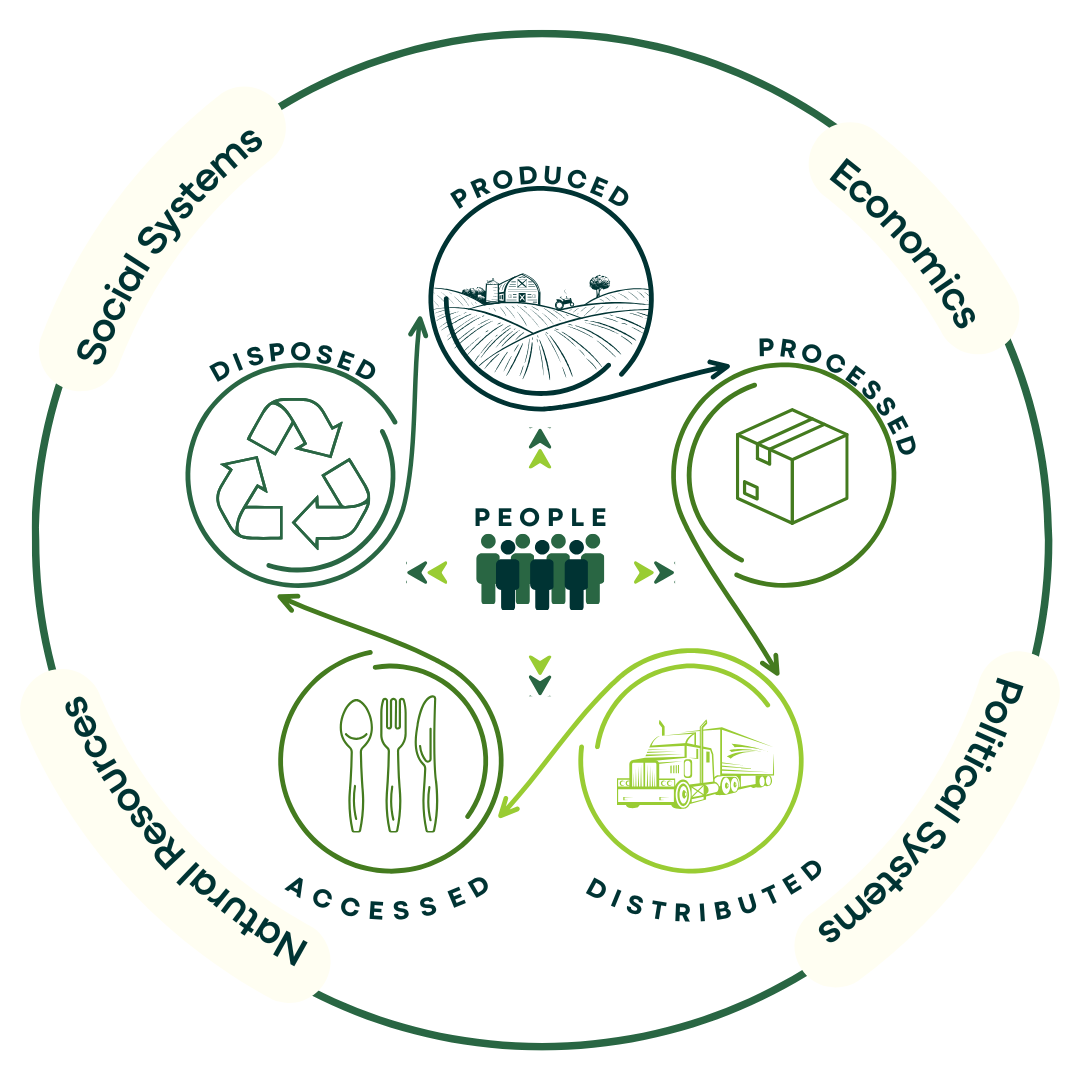
The sustainability of a food product depends on many factors, including how it is produced, packaged, transported, sold, and disposed of.
Sustainable food generally comes from food systems (Figure 1) that conserve natural resources, protect healthy ecosystems, and promote the health and wellbeing of the people and communities involved. This can include farming methods that reduce chemical use, conserve water, maintain soil health, promote animal welfare, and support fair labor and local economies.
Tips for Sustainable Eating
As consumers, making thoughtful and informed food choices is a powerful way that we can contribute to a more sustainable food system. Below are a few of our top tips for sustainable eating.
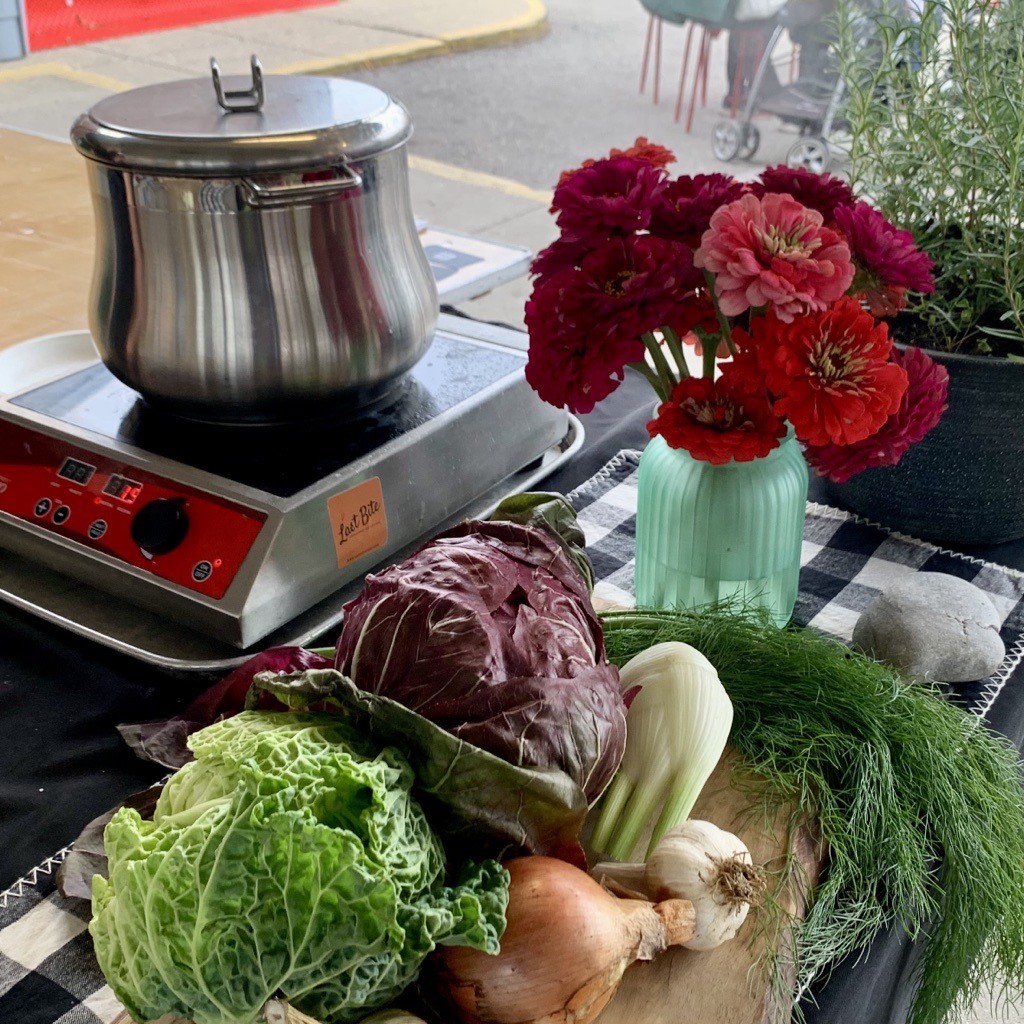
Eat more plant-based foods
Eating more plant-based foods, like fruits, vegetables, beans, nuts, seeds, and whole grains, and less meat and dairy, can significantly lower your environmental impact. Producing plant-based foods generally results in fewer greenhouse gas emissions and requires less energy, land, and water.
Ready to get started? Try VegMichigan’s 30-Day Plant-Based Pledge and receive a free bag of delicious plant-based foods today.
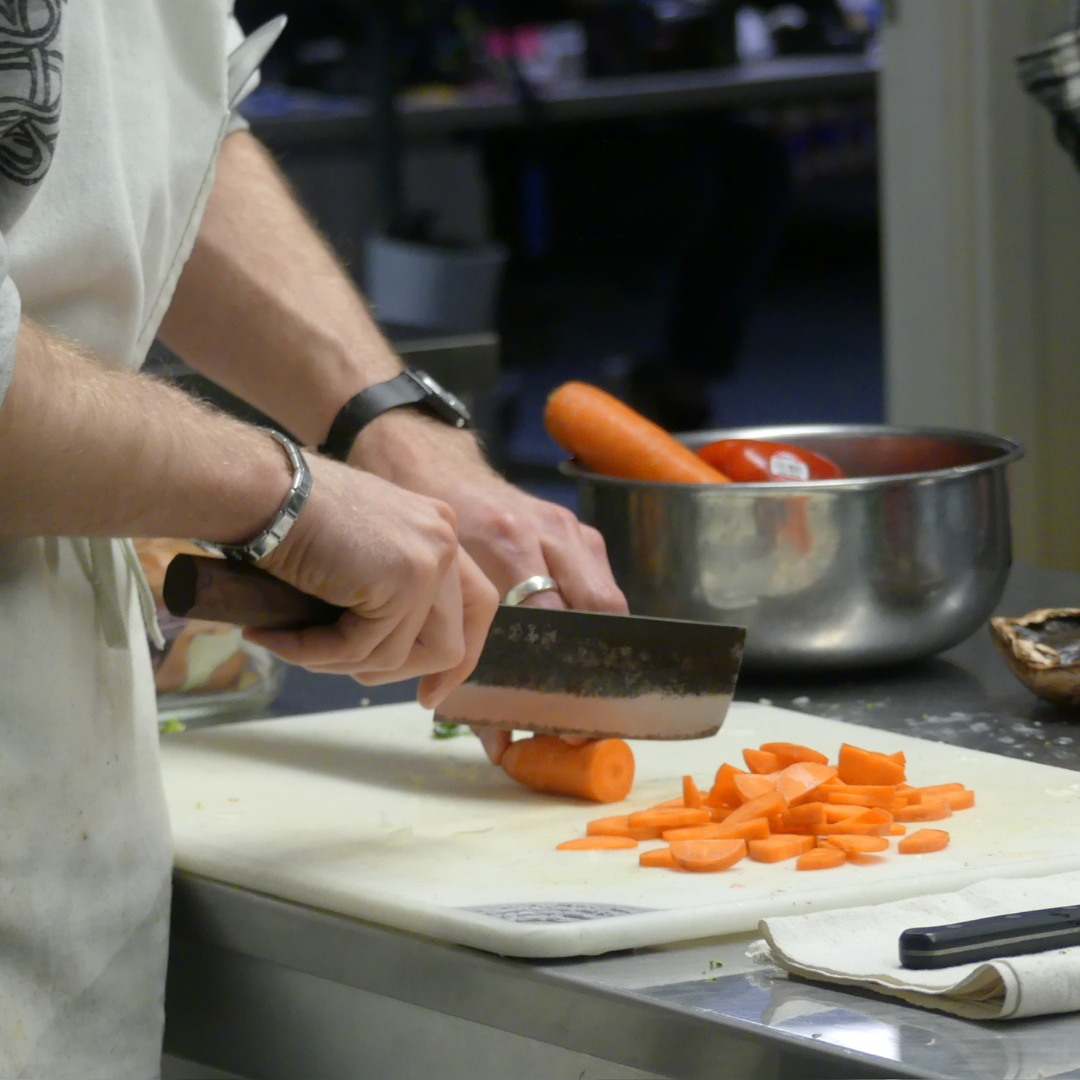
Waste less food
Over one third of all food goes uneaten. When we waste food, we waste all of the land, energy, water, and labor that went into growing, processing, packaging, cooling, shipping, and storing that food. With simple changes to how you plan, shop, store, and dispose of food, you can keep good food from going bad.
Check out our Preventing Wasted Food at Home webpage for tips and tools to help you waste less food at home.
Prioritize sustainable farming
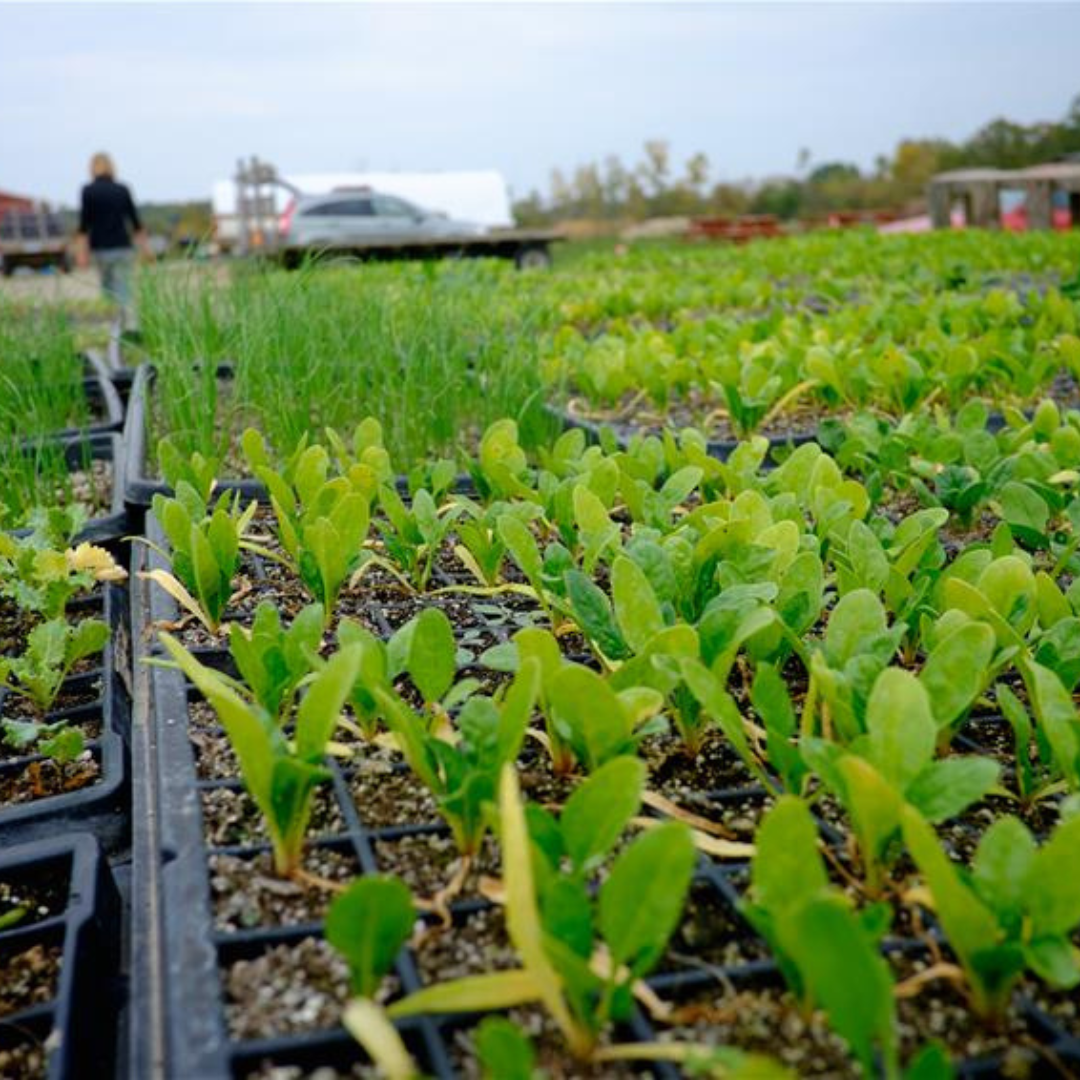
When it comes to food sustainability, what we eat and how it was grown matters. In addition to prioritizing plant based foods, choosing foods grown in ways that minimize harm to the ecosystem is an important step towards more sustainable eating. Sustainable farming practices nourish the soil, provide habitat for wildlife, and do not pollute the water and air. Choosing organic or regeneratively grown foods is a great first step.
Support local food systems
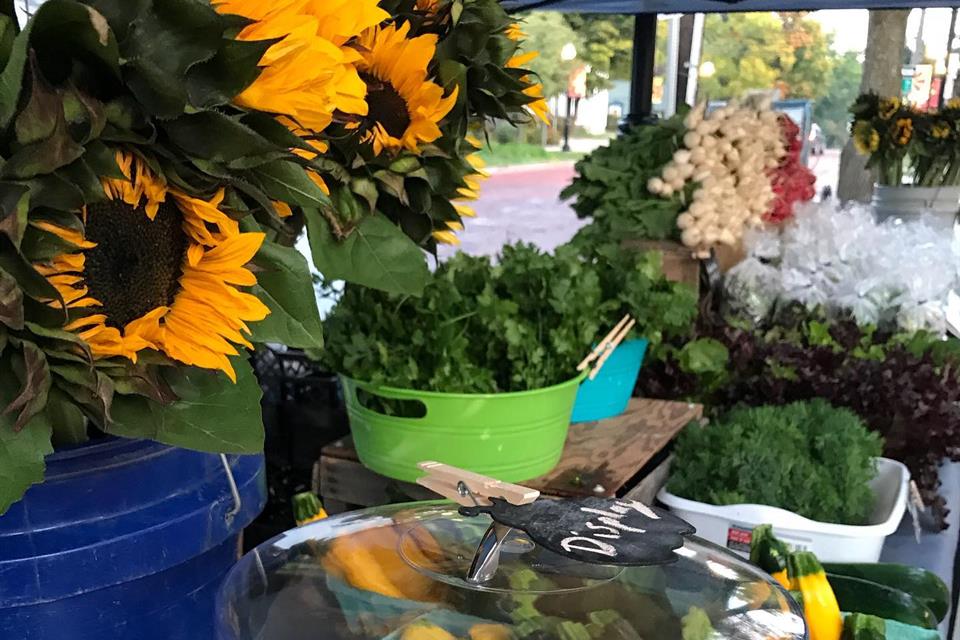
Purchasing food grown locally is not only a great way to support your community and strengthen the local economy, but also allows you to get to know the people who produce the food that you eat and to learn about how your food was made. These relationships can help you make food choices that align with your values, whether that’s health, sustainability, culture, or something else entirely!
It’s important to remember that there is not one perfect way to eat sustainably. Food is personal and a sustainable diet will not look the same from one person to the next! Our individual tastes, skills, abilities, health, cultural traditions, lifestyles, and access to food all influence what food choices we are able to make.
City of Ann Arbor Sustainable Food Programs
The Ann Arbor Office of Sustainability and Innovations envisions a local food system that is sustainable, equitable, and resilient - minimizing negative environmental and social impacts and serving as a model for the broader community. As we continue our work to achieve community-wide carbon neutrality by 2030, The City of Ann Arbor prioritizes actions that strengthen and improve Ann Arbor's food system - from reducing food waste generated in our community and supporting residents in adopting more plant rich diets, to larger-scale initiatives that support local farmers and ensure food security for all residents.
To learn more about the City’s sustainable food programming, click on the boxes below.


Cooking Sustainably at Home
Check out the resources below for delicious, planet-friendly recipes!
OSI's favorite plant-based holiday recipes.


Growing Your Own Food
Learn about how to grow your own food in Ann Arbor!
Growing your own food is a great way to build community, stay active, and promote physical and mental health while also having a positive benefit on the environment. Get started gardening with the resources listed below.