Oak trees and oak wilt

Oak wilt is a deadly fungal disease that affects oak trees. Learn how to identify an oak, how oak wilt spreads and when to prune your trees to help protect Ann Arbor's oaks.

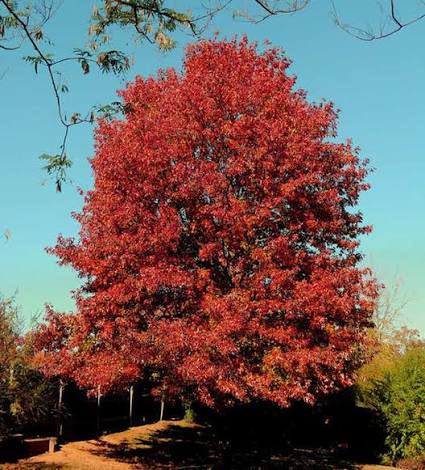
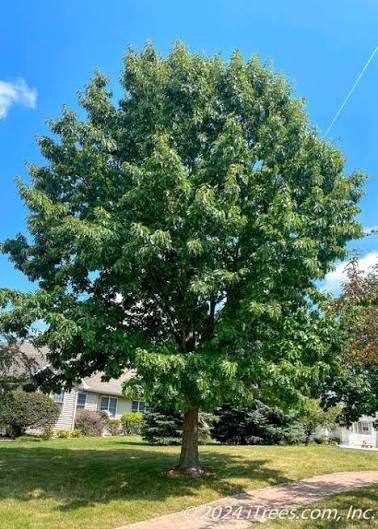
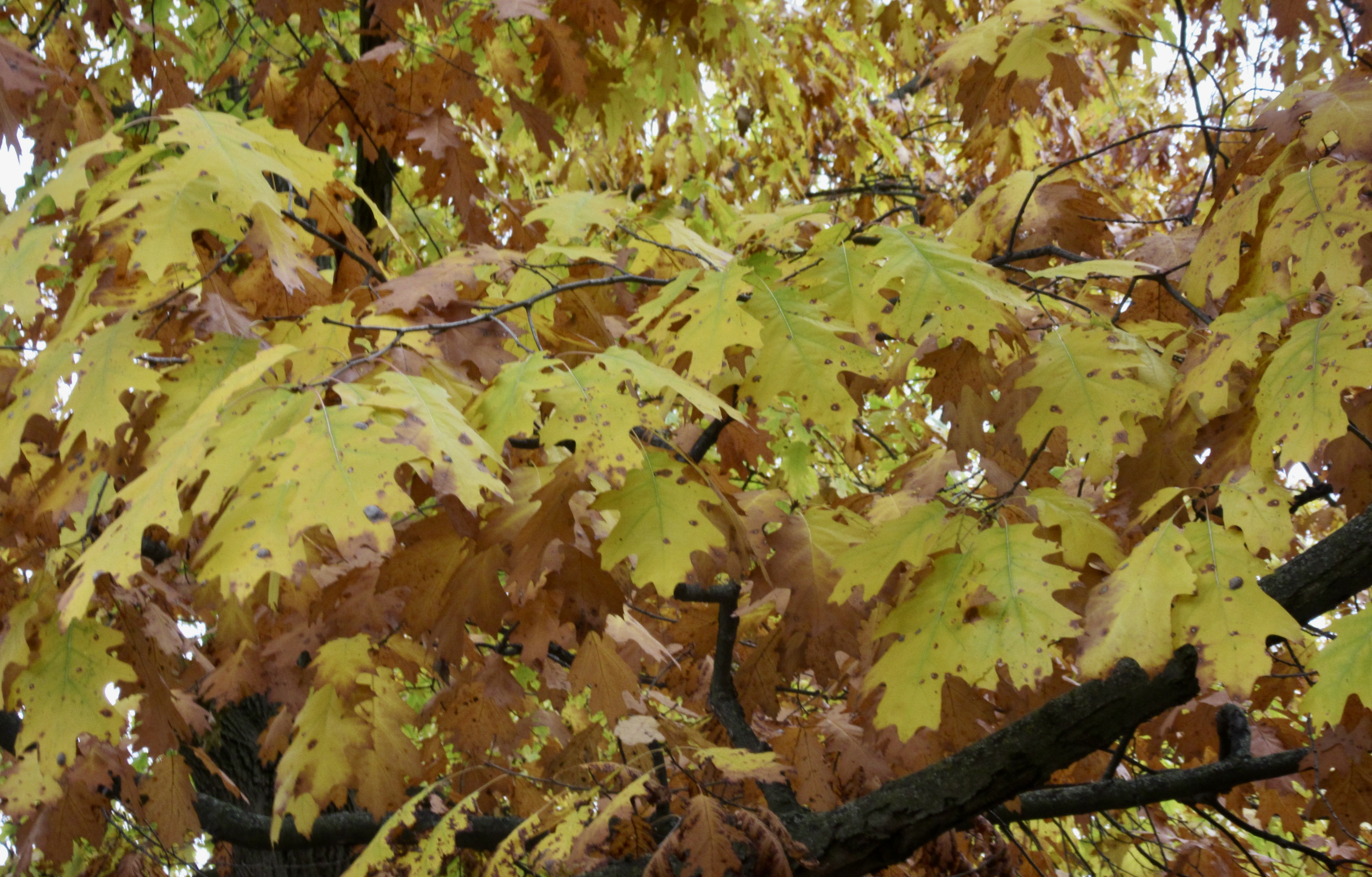
I would keep the hero relatively restrained. I don't think this needs a big dramatic image of a dead tree. A healthy mature Ann Arbor oak would better communicate what we're trying to protect.

Know when to prune your oak

In Ann Arbor, oak trees may not be pruned or trimmed from March 1 through Dec. 1.

The best time to plan routine oak pruning is during the winter.

Ann Arbor's oak tree pruning ordinance prohibits pruning and trimming oaks during that period regardless of whether the tree is on private property, public property, a utility easement or the public right of way.

What is Oak Wilt?

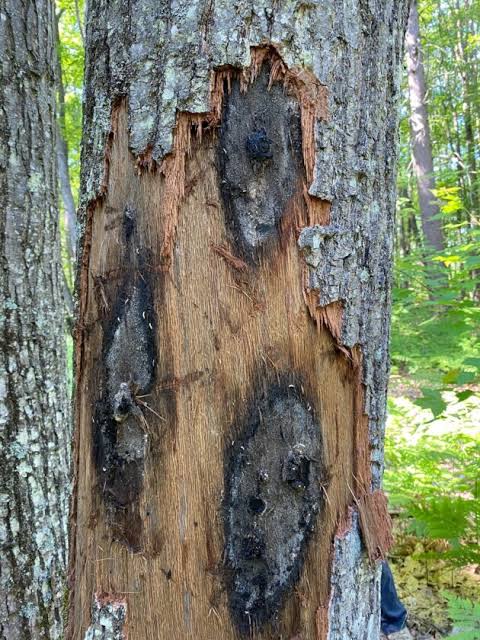
Oak wilt is a disease caused by the fungus Bretziella fagacearum. It affects the tree's ability to move water and can kill oak trees.

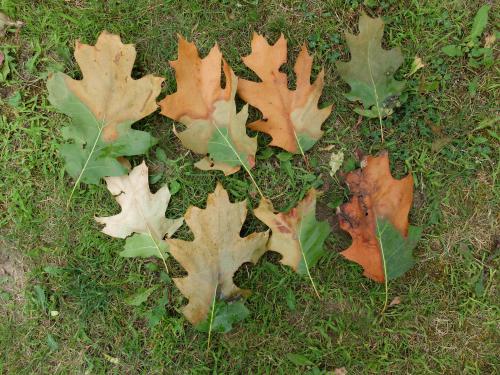
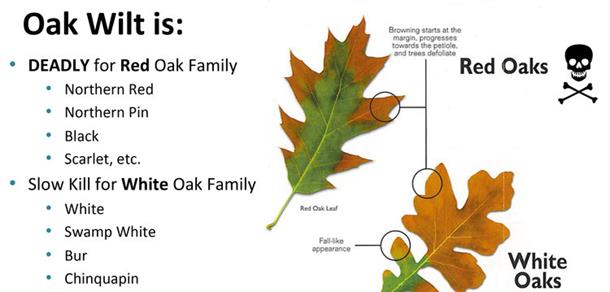
Trees in the red oak group are especially vulnerable and may die quickly after becoming infected. White oaks can also become infected but may decline more slowly.

Once an individual oak is infected, there is no treatment that can save that tree. Treatment of an established oak wilt site focuses instead on limiting the disease's spread to surrounding trees.

Overland spread

Sap feeding beetles are attracted to fungal spores produced on some infected oak trees. Those beetles can pick up the fungus and carry it to fresh wounds on healthy oak trees.

Fresh cuts from pruning, construction damage and other injuries can provide an entry point for the fungus.


Underground spread

Once oak wilt is established, the fungus can also move between nearby oak trees through connected root systems, or root grafts.

From Michigan State University:

". . . fungus moves through grafted root systems from tree to tree until all connected oaks are dead. The process can take years for large stands of oak. Cutting infected, dying, or dead oaks will not stop this movement. . . "

Pruning and damage

Dec. 2 through Feb. 28

Routine pruning is allowed.

Winter is the best time to plan oak pruning.

March 1 through Dec. 1

Do not prune or trim oak trees in Ann Arbor.

Ann Arbor's oak wilt prevention ordinance applies to oak trees on private property, public property, utility easements and the public right of way. 

Michigan DNR identifies April 15 through July 15 as the highest risk period for oak wilt infection in Michigan. Ann Arbor's ordinance establishes a longer March 1 through Dec. 1 period during which oak trees may not be pruned or trimmed.

If you are caring for an oak tree in Ann Arbor, follow the city's March 1 through Dec. 1 requirement.

Sometimes wounds can't be avoided. Branches can be damaged during construction, landscaping, severe weather or other activity.

If an oak tree is wounded between March 1 and Dec. 1, the city's ordinance requires the wound to be treated immediately and no later than 24 hours with tree pruning sealant or latex paint.

Why paint an oak wound?

During periods when oak wilt transmission is possible, covering a fresh oak wound with tree wound paint or latext based paint can help prevent sap feeding beetles from reaching exposed sap and potentially introducing the fungus.

Ann Arbor's ordinance also establishes requirements for oak material after a tree or branch is removed.

Removed oak trees or branches must be promptly chipped into pieces smaller than 3 inches.

If an oak stump remains, it must be treated within 24 hours by:

  • Applying tree pruning sealant or latex paint;
  • Grinding the stump; or
  • Removing the stump.

About Ann Arbor's oak wilt prevention ordinance

Ann Arbor City Council adopted Ordinance ORD 26-22 in July 2026 to amend Chapter 40 of the City Code and establish oak wilt prevention requirements. 

Among other requirements, the ordinance:

  • Prohibits pruning or trimming oak trees from March 1 through Dec. 1.
  • Requires certain oak wounds during that period to be treated immediately and no later than 24 hours.
  • Establishes requirements for removed oak branches, trees and stumps.

Common questions

Routine pruning and trimming of oak trees is prohibited from March 1 through Dec. 1. Plan oak pruning for winter whenever possible. 

Yes. It applies to oak trees on private property, public property, utility easements and the public right of way.

Fresh oak wounds can attract sap feeding beetles. If a beetle has picked up oak wilt fungal spores from an infected tree, it can introduce the fungus to a healthy tree when it visits the fresh wound.

No. Michigan DNR identifies April 15 through July 15 as the highest risk period for oak wilt infection in Michigan. Ann Arbor's ordinance establishes a longer prohibition on pruning and trimming, from March 1 through Dec. 1.

Treat the wound immediately and no later than 24 hours with tree pruning sealant or latex paint during the March 1 through Dec. 1 prohibition period.

No. Wound dressing generally isn't recommended as routine tree care. Protecting fresh oak wounds from insects that may spread oak wilt is a specific exception. Michigan DNR recommends tree wound paint or latex based paint when an oak is wounded during the high risk period.

Yes. Both red and white oaks can become infected. Red oaks are generally much more vulnerable and can die rapidly. White oaks tend to resist the disease longer.

Yes. Oak wilt can move from an infected oak to nearby oaks through connected root systems. Managing an established oak wilt infection is different from preventing new infections caused by fresh wounds.

​To r​eport possible Oak Wilt on city property, please use the A2 Fix It app on your phone or the A​2 Fix It page.