Contaminants of local interest
1,4-Dioxane
For the latest information, including the recent Superfund designation, please visit and sign up for updates on our dedicated 1,4-Dioxane website.
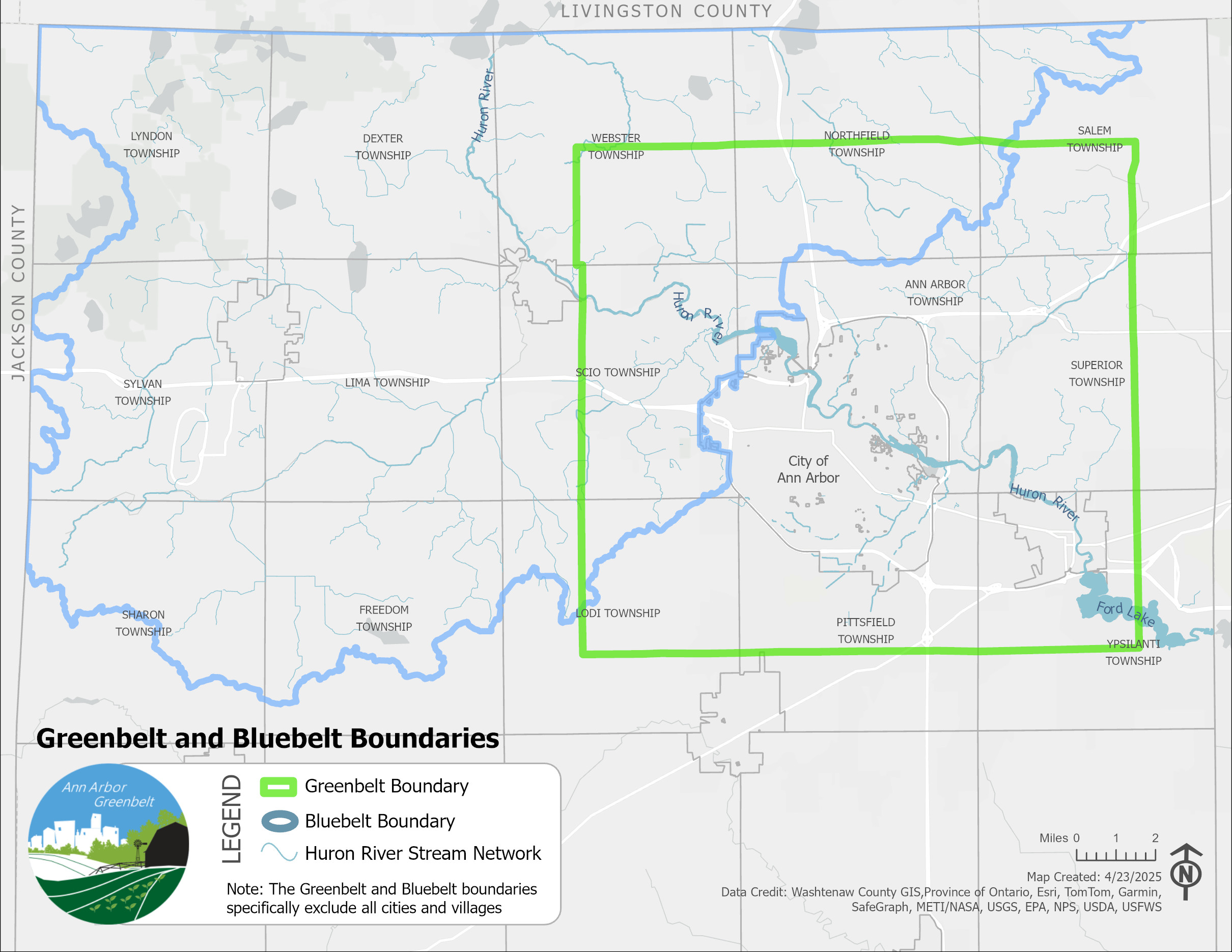
Gelman Sciences (now Pall Corp., a division of Danaher Corp.) polluted groundwater in Washtenaw County, including parts of the city as well as Ann Arbor and Scio Townships, when it improperly disposed of industrial solvents containing 1,4-dioxane between 1966 and 1986. That pollution has since spread through the surrounding groundwater.
The City of Ann Arbor has been monitoring its water sources and the plume for more than 30 years to ensure the long-term safety of the city’s drinking water.
While cleanup of the Gelman site has been managed by the Michigan Department of the Environment, Great Lakes, and Energy (EGLE) since the discovery of the contamination in 1985, local officials and stakeholders have advocated that the Gelman site be considered for listing on the Superfund National Priorities List (NPL) to bring more resources to bear on site monitoring and remediation. In March of 2026, the Gelman site was added to the Superfund National Priorities List by the Environmental Protection Agency (EPA). This designation directs additional federal resources and oversight toward addressing the long-standing 1,4-dioxane contamination. Further studies will ensue to determine the nature and extent of the contamination and to help identify potential treatment options. In the meantime, Gelman continues to operate their treatment system and monitor their network of over 250 groundwater wells with oversight from EGLE.
Per- and polyfluoroalkyl substances (PFAS)
Per- and polyfluoroalkyl substances (PFAS) are a group of chemicals that have been classified by the Enviromental Protection Agency (EPA) as an emerging contaminant. PFAS have been around since the 1950s, but we didn’t know much about their effects until the early 2000s, when scientists began releasing data on PFAS health impacts and their persistence in the environment. For decades, they have been used in many industrial applications and consumer products such as carpeting, waterproof clothing, upholstery, food paper wrappings, fire-fighting foams, and metal plating and are still widely used today. PFAS have been found at low levels both in the environment and in blood samples of people living in the United States. PFAS are persistent, which means they do not break down in the environment. They also bioaccumulate, meaning the amount builds up over time in the blood and organs.
Currently, granular activated carbon (GAC) filtration is the best available technology for removing PFAS in drinking water. Use of GAC filtration has allowed the city to produce water with PFAS concentrations significantly below all Maximum Contaminant Levels (MCLs) adopted by the State of Michigan in 2020. On April 10, 2024, the EPA finalized drinking water regulations for PFAS. We continue to meet all established PFAS regulations in our finished drinking water. The city continues to monitor both regulated PFAS compounds and unregulated PFAS compounds in source water and drinking water and remains committed to providing safe drinking water that is better quality than regulatory guidelines require. Samples collected by the city are analyzed by an independent lab each month and we post all data for source water and drinking water PFAS monitoring on our website. We also continue to lobby at the state and federal level to hold polluters accountable and stop PFAS at its source. Measures like these better protect our source and help to keep our water affordable.
Cryptosporidium
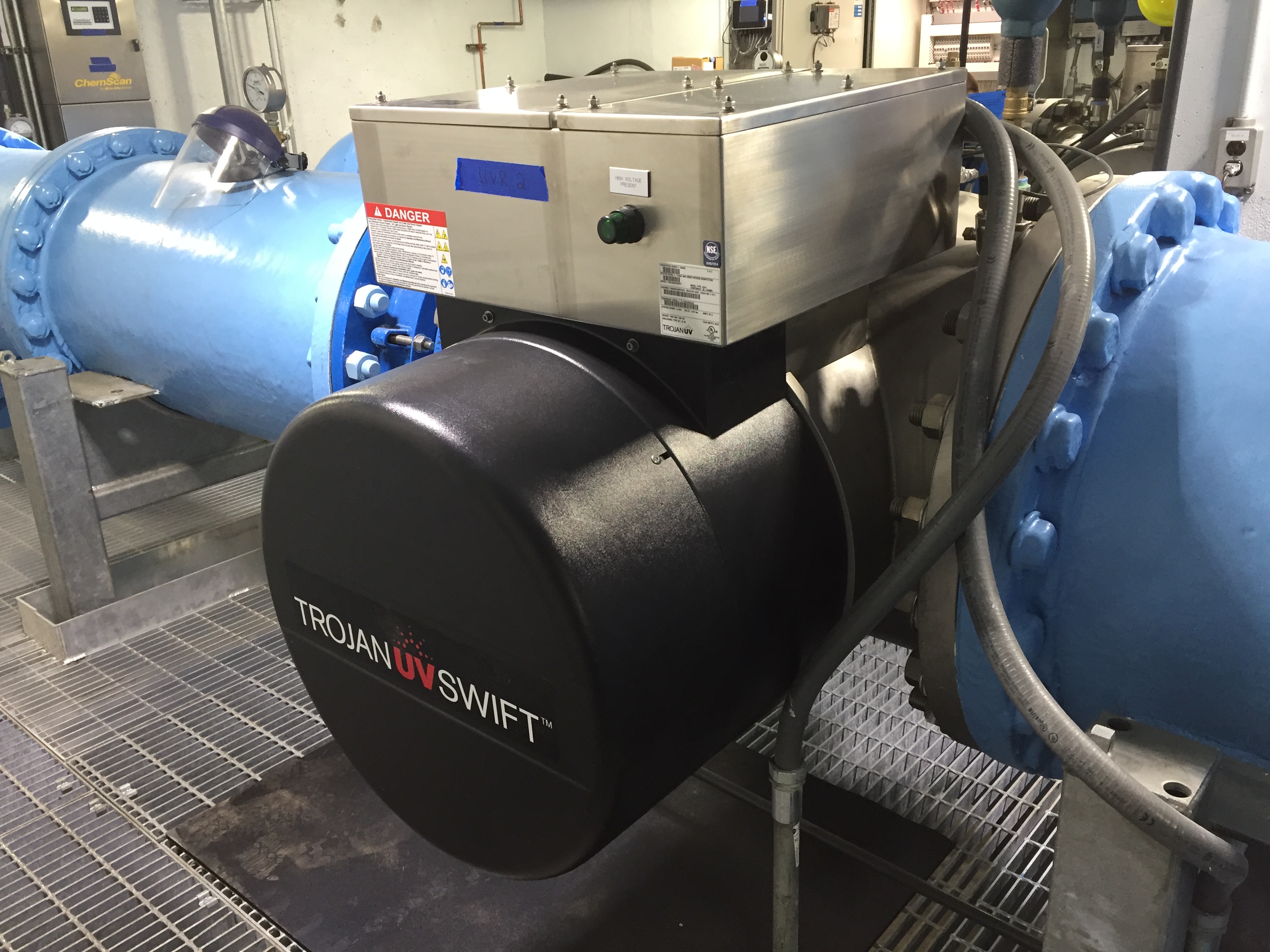
Cryptosporidium is a microbial pathogen found in surface water throughout the United States. To address the occurrence of Cryptosporidium in the Huron River, the city added ultraviolet light (UV) disinfection to the water treatment process. UV disinfection is the best available technology to inactivate Cryptosporidium.
Although filtration removes Cryptosporidium, the most commonly used filtration methods cannot guarantee 100% removal. Our monitoring indicates the presence of these organisms in our source water, but not in the finished water. Current test methods do not allow us to determine if the detected organisms in our source water are dead or if they are capable of causing disease. Ingestion of Cryptosporidium may cause nausea, diarrhea, and abdominal cramps. Most healthy individuals can overcome the disease within a few weeks. Immunocompromised people, infants and small children, and the elderly are at greater risk of developing severe illness. Immunocompromised people are encouraged to consult their doctor regarding appropriate precautions to take to prevent infection. Cryptosporidium must be ingested to cause disease and it may be spread through means other than drinking water.
Do I need to take special precautions?
Some people may be more vulnerable to contaminants in drinking water than the general population. Immunocompromised persons such as persons with cancer undergoing chemotherapy, persons who have undergone organ transplants, people with HIV/AIDS or other immune system disorders, some elderly, and infants can be particularly at risk from infections. These people should seek advice about drinking water from their health care providers. EPA/CDC guidelines on appropriate means to lessen the risk of infection by Cryptosporidium and other microbial contaminants are available from the Safe Drinking Water Hotline at: 800.426.4791.