
Dealing with Leaves and Yard Trimmings at Home
There are many ways to put yard materials to use while supporting a healthy, sustainable landscape. Some may even be easier than bagging material or filling your compost cart! Consider the following options.
Leave the Leaves
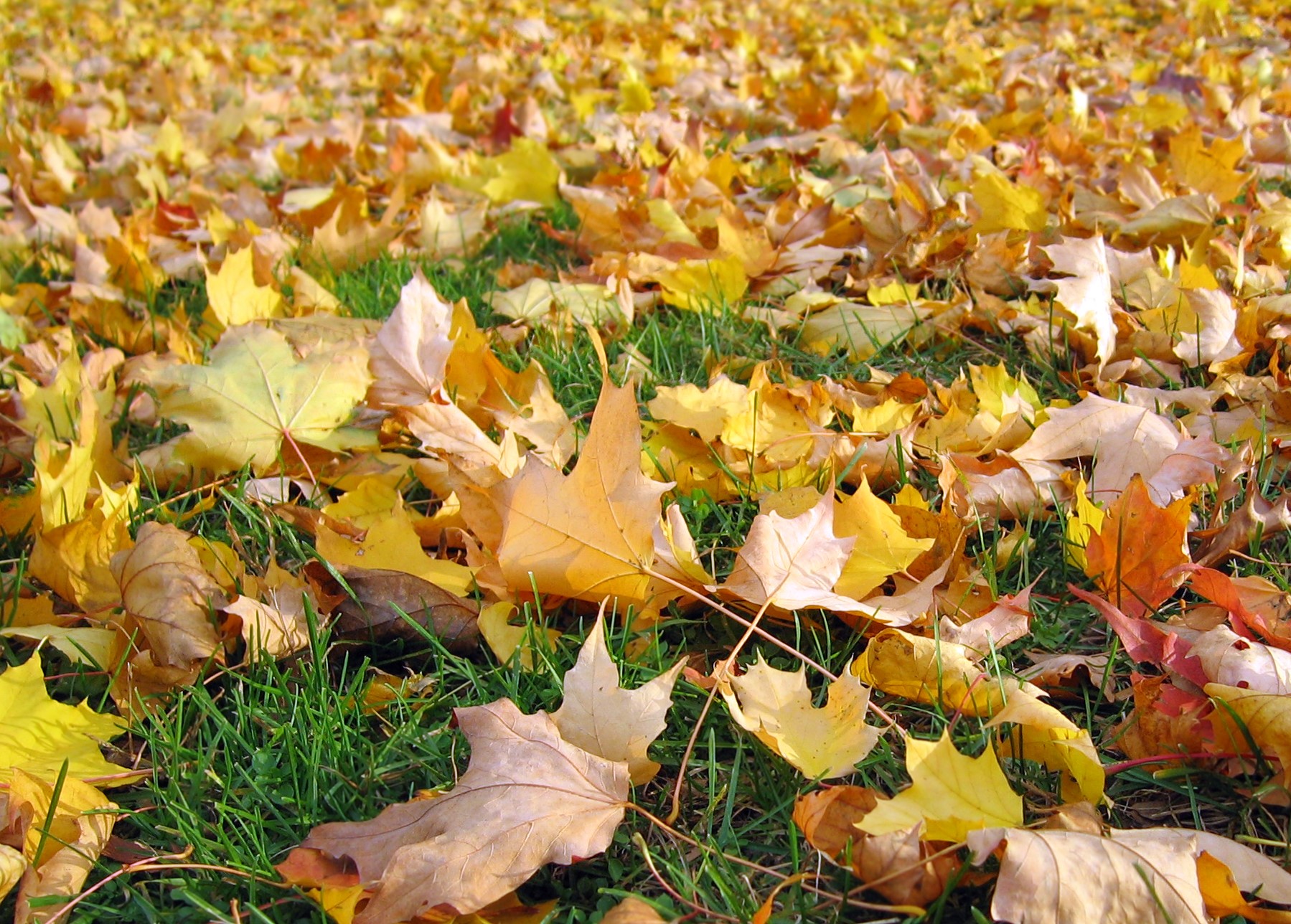
Leave whole or mulched leaves in your yard during the fall and winter to support local wildlife and feed nutrients back into your lawn. Leaves provide important habitat for pollinator species, especially for overwintering eggs and adults. To learn more about the benefits of leaving leaves and ways to manage them, visit LeaveLeavesAlone.org.
Create a Dead Wood Garden
Instead of discarding branches, limbs, or an old holiday tree, consider creating a dead wood garden. This can be as simple or elaborate as you'd like, from leaving a fallen branch in a garden bed to creating a piece of art. These gardens not only fertilize the underlying soil, but they also become homes for beneficial insects, birds and fungi. Find inspiration in this article from the Master Gardeners of Northern Virginia.
Replace Grass with Native Plants
Consider replacing areas of turf grass with a variety native plants or a rain garden. Both options can reduce the amount of mowing, maintenance, and watering your yard requires, while also supporting biodiversity and local pollinators. As a bonus, adding a rain garden can help you save money by making you eligible for a stormwater credit!
Looking for advice on native plant species? Check out NAP’s information on native plants, especially their native perennials list.
Start Backyard Composting
You can start composting at home in a variety of ways, whether you use an open pile, compost tumbler, three-bin system, or vermicomposting. Visit Washtenaw County's composting page to learn more about the different methods, what to add and avoid, and how to troubleshoot your pile. The Institute for Local Self-Reliance is another great resource for learning about backyard composting.
Make Better Use of Compost Carts
During busy weeks of yard work, you might find your compost cart filling up quickly. Try these strategies to get the most out of your cart:
- Share space with neighbors. Ask nearby neighbors if they have space in their compost cart, and offer to share your cart with them when you have extra space.
- Space out yard work. If possible, plan yard work throughout the busiest seasons so you can add material to your cart each week instead of all at once.
Leaf Burning: Illegal & Bad for Human Health
Burning leaves produces particulate matter that is harmful to human health and the environment. The State of Michigan and City of Ann Arbor law make it illegal to burn leaves within city limits.
Keep Leaves Out of the Street
The city does not pick up leaves left in piles at the curb or raked into the street.
It is also illegal for residents or contractors to move leaves from private property into the street or onto another property.
First floor, 301 E. Huron Street, Ann Arbor, MI 48104
Monday-Friday
8:00 a.m. - 5:00 p.m.
Assistance by phone 7:30 a.m.-5:30 p.m.
To report missed pickup or other problem, please use A2 Fix It.
 734.794.6320